01 — Process
Editorial Standards
Each article published on Kalmeno passes through a documented, multi-stage review process. The following pages describe that process in full — from initial source identification through to the post-publication update schedule.
Topic Identification & Source Mapping
A content brief is developed by the editorial team, specifying the article's scope, target audience context, and a preliminary list of potential source materials. Sources are drawn from published nutritional research, qualified wellness professional commentary, and established public health publications.
Relevance is assessed at this stage: is the topic within Kalmeno's defined scope (nutrition, movement, recovery, self-care, or lifestyle habits for men)? If not, the brief is redirected or declined. Topics that stray into areas requiring individual assessment by a qualified nutrition professional are noted as out-of-scope.
Primary Research Review
The assigned contributor reads the identified source materials in full. Where studies are cited, the methodology section is reviewed to confirm the study design is appropriate to the claim being referenced. Observational studies are distinguished from controlled studies in the final copy.
Nutritional data is sourced from documented, publicly accessible research databases. The contributor is instructed to cite the most recent available version of a given finding and to note where findings conflict across studies. All source links are logged in an internal tracking document.
Editorial Drafting
The first draft is written according to Kalmeno's register standards: reportorial, non-promotional, and accessible to a general reader. Specific vocabulary guidelines restrict the use of absolute claims, exaggerated outcome statements, and language that implies individual assessment.
The draft is structured to separate factual summaries of research from practical application guidance. Where practical guidance is provided, it is framed as a general approach rather than an individual recommendation. The tone remains observational and the copy is written in the third person where appropriate.
Independent Fact-Check
The research reviewer examines every factual claim in the draft against the cited source material. Claims that cannot be supported by the listed sources are either rewritten or removed. The reviewer does not hold a promotional or commercial interest in the subject matter covered.
The fact-check produces a completion notation that is recorded internally. Articles carry the review date on the published page, so readers can assess how recently the content was verified against current nutritional understanding.
Publication & Indexing
Approved articles are formatted for the Kalmeno editorial system. Each piece is categorised by topic area and assigned a review-cycle date. The publication is indexed within the site architecture alongside related content.
No article is published without a completed internal review notation. A brief content summary is prepared for the monthly digest, which consolidates the most read and most cited content from that period.
Post-Publication Update Schedule
Published articles are scheduled for a review update at twelve-month intervals, or sooner if significant new nutritional research is published in the relevant area. Updated articles carry a revised notation date and, where content has changed materially, a brief update summary at the top of the page.
Reader inquiries about specific articles can be submitted via the contact form. Where an inquiry identifies a factual discrepancy, the article is flagged for immediate review regardless of the scheduled update cycle.
Preferred source categories
Peer-reviewed nutritional studies — Published in indexed journals. Methodology available for review. Author affiliations declared.
Qualified wellness professionals — Statements attributed to named professionals with declared credentials in nutrition or physical conditioning.
Established public health publications — Reports and guidance documents from recognised nutritional and public health institutions.
Third-party verification reports — Independent batch verification documents from supplement producers, assessed analytically rather than promotionally.
Sources not accepted
Brand-published content — Marketing materials, product pages, and brand-funded research without independent verification are not used as primary sources.
Non-attributed commentary — Anonymous wellness blogs, unverified influencer statements, or content lacking a named author and declared methodology.
Undated research — Nutritional understanding changes over time. Sources without a publication date cannot be assessed for recency and are excluded.
Testimonials as evidence — Individual experience accounts are not used to support factual nutritional or fitness claims. They may appear as context, clearly labelled.
How supplement sourcing is assessed
When Kalmeno editorial covers nutritional supplements, sourcing transparency is a primary criterion. Active ingredients are evaluated for supplier documentation quality — specifically, whether the producer can provide a certificate of composition for each batch.
Sourcing priorities in Kalmeno content reviews include suppliers whose handling standards are food-grade, with clear chain-of-custody documentation from raw material to finished serving. Editorial does not assess or rank suppliers commercially.
Active ingredients are sourced from documented suppliers, with each batch accompanied by a certificate of composition. Sourcing priorities favour suppliers whose facilities maintain food-grade handling standards.
Batch Verification
Independent batch verification checks confirm that ingredient concentrations align with labelling. Kalmeno references third-party verified products where documentation is publicly accessible.
Food-Grade Processing
Handling facilities are assessed for food-grade processing standards. Kalmeno does not reference products from producers who cannot provide documentation of their facility standards.
Traceability
Supply chain traceability is assessed at the editorial level. Where a producer offers full traceability documentation from raw ingredient to final serving, this is noted as a positive sourcing standard in the content review.

Source Documentation

Editorial Review
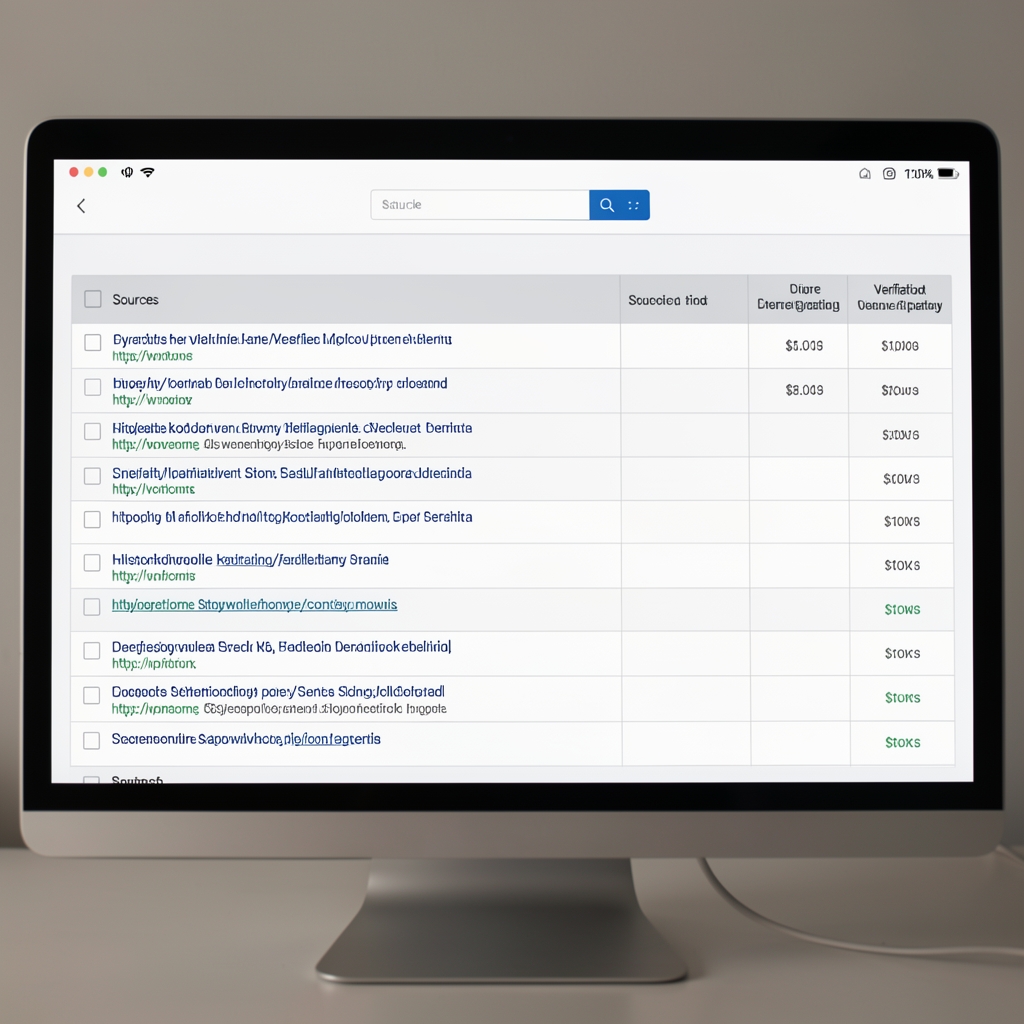
Fact-Check Record

Publication Notation
When Kalmeno editorial references individual nutrients, roles are described according to the following evidence-informed standard descriptions. These formulations avoid outcome language and reflect published nutritional science.
Editorial Notice
Kalmeno is an independent wellness resource focused on everyday nutrition and active lifestyle practices for men. The content is not affiliated with any governmental or institutional body. We recommend speaking with a qualified wellness or nutrition professional before introducing any supplement to your daily routine, particularly if you have specific dietary requirements.